When discussing why Korean IDCs are cheaper than VPS, it is necessary to analyze from the perspectives of cost structure, depreciation logic, and leasing strategies. From a professional perspective, this article discusses factors such as hardware depreciation, economies of scale, lease agreements, and resource pooling, explaining how these elements work together to give Korean IDCs a price advantage over traditional or small-scale VPS products. Understanding these mechanisms helps businesses or individuals make more informed choices when purchasing cloud hosting and IDC services.
In South Korea, IDC usually refers to physical server hosting or full lease solutions provided by data centers, while VPS more often refers to virtualized shared hosting services. There are fundamental differences between the two in terms of resource allocation, hardware ownership, and service agreements. IDC providers place more emphasis on the unified allocation of cabinets, bandwidth, and physical resources ; VPS providers provide isolation and elastic scaling at the virtual level. Understanding these differences is the first step in analyzing price formation, helping to incorporate hardware depreciation and leasing strategies into a more comprehensive cost model.
Hardware depreciation determines how the cost of equipment acquisition is amortized over its lifetime. Large IDCs spread the depreciation of servers, networking, and cooling equipment over more customers and longer periods through centralized procurement and extended usage times, reducing the per-unit depreciation cost. In contrast, small-scale VPS providers have no advantage in terms of equipment update frequency, purchasing volume, or inventory utilization, resulting in higher depreciation expenses, which in turn affects the final pricing. Depreciation policies and accounting treatments are also key factors in creating price differences.
Scalable operations enable IDCs to extend equipment depreciation cycles and reduce update frequencies, due to factors such as purchasing power, distributed loading, and redundant design. Large IDCs can quickly allocate idle resources to customers with high demand through capacity pooling, reducing depreciation costs resulting from unused equipment. At the same time, supply chain optimization and bulk imports can also reduce the initial cost per unit of equipment, thereby passing these savings on to customers under long-term contracts, resulting in a clear price advantage.
Leasing strategies directly affect unit costs and cash flow pressures. South Korean IDCs often reduce monthly costs through long-term leases, annual billing based on cabinets or bandwidth, while spreading risks among more tenants by pooling resources. Long-term contracts provide stable income, allowing suppliers to optimize their procurement and operations plans, thereby further reducing costs. For users, choosing the right lease term and resource package allows them to get a lower unit price while also securing guaranteed performance and bandwidth under the contract.
The multi-tenant model improves equipment utilization and is an important means of reducing unit costs. Through virtualization and resource scheduling, IDCs can balance loads during peak and off-peak times to reduce idleness. A higher average utilization rate means that depreciation and energy costs are spread across more billing units, naturally reducing the cost borne by individual tenants. Furthermore, automated operations and standardized configurations also reduce additional costs associated with labor and failures, enhancing price competitiveness.
Operations and maintenance costs, as well as energy consumption, account for a significant portion of the cost structure in data centers. South Korea’s IDCs reduce kilowatt-hour costs and labor expenses through efficient cooling, energy efficiency optimization, and centralized operations and maintenance. Centralized management not only reduces maintenance costs but also decreases the risk of compensation due to failures. The long-term cost reductions brought about by energy efficiency and automation can be gradually reflected in service prices, making IDC solutions of the same specifications more cost-effective per unit. This is also an important reason why IDCs in South Korea are cheaper than VPS.
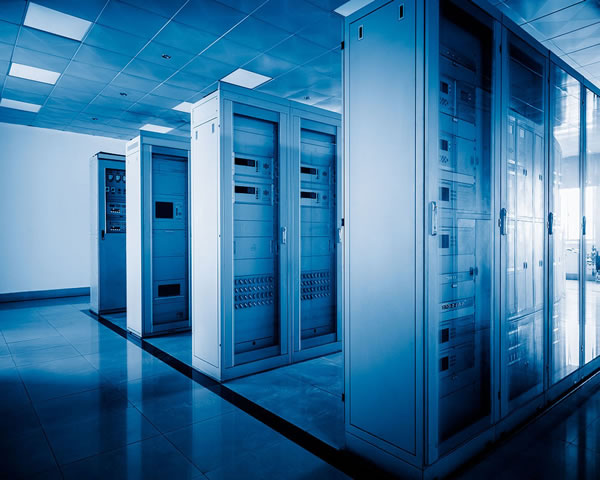
Overall, the logic behind hardware depreciation, the advantages of scale in terms of procurement and utilization rates, as well as leasing strategies and efficient operations, all explain why IDCs in South Korea are cheaper than VPS. It is recommended to pay attention to the contract duration, resource pooling level, SLAs, and energy efficiency metrics when making a purchase. For users who need long-term stable resources or wish to reduce monthly costs, Korea IDC’s solutions may offer better value for money ; For high elasticity or short-term testing, VPS still has its uses. The final choice should be based on business requirements, budget, and acceptable operation and maintenance models.
- Latest articles
- Troubleshooting guide: Checklist of steps to figure out why a Hong Kong VPS can’t access websites in Hong Kong
- Risk Warning: Hidden Costs and Limitations of Free Cloud Server Services in Hong Kong
- How to evaluate the cache hit rate performance of Taiwan’s CDN CN2 in different regions
- Which VPS provider in Malaysia is the best? A comprehensive comparison based on price-performance and after-sales support
- Detailed Explanation of Factors to Consider When Choosing a Data Center in Singapore: The Impact of Singapore CN2 VPS on Access Speed
- Where are Malaysia’s WeChat servers located? Geographical factors that affect message delivery speed
- Advantages of Hong Kong’s native IPs in supporting cross-border work and distance education at airports
- Risk Warning: How to Avoid Contract Traps and Hidden Fees When There Are Activities at Hong Kong Station Groups
- Top Choice for Small and Medium-sized Enterprises: Strategies for Selecting Hong Kong VPS and Server Hosting Providers
- Complete List of My World German Server Names, Analysis of the Best Options, and Recommendation Guide
- Popular tags
-
Free Korean cloud server usage experience and limitation analysis
This article discusses the user experience and limitations of free Korean cloud servers to help users make wise choices. -

After-sales service and bandwidth guarantees: Where to buy cloud servers in South Korea and how to make a decision
By comparing the two aspects of after-sales service and bandwidth assurance, it helps businesses determine where to buy cloud servers in South Korea. Includes SLAs, bandwidth types, latency, and a procurement evaluation checklist to facilitate decision-making and risk control. -

From a developer's perspective: which Korean cloud server provider offers the best network performance and stability?
From a developer's perspective, this article systematically explains how to evaluate the network performance and stability of Korean cloud server providers. It includes key indicators, testing methods, and selection recommendations to help technical teams make informed decisions.